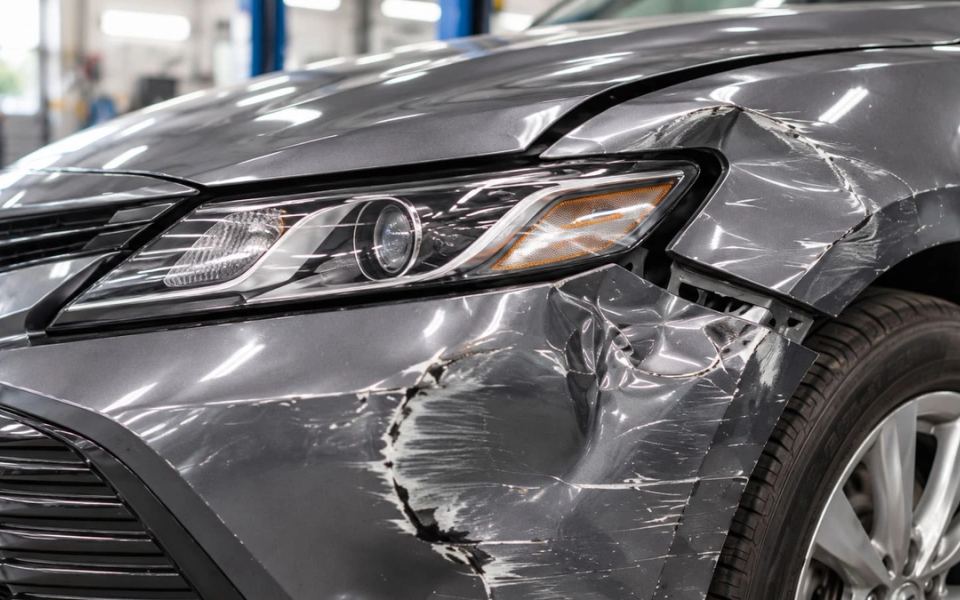
Yes. After an accident in Hawaiʻi, you can choose the licensed body shop that repairs your vehicle. Your insurance company may recommend repair facilities or have a preferred repair program, but that does not mean you have to give up your choice of shop. Hawaiʻi-specific auto claim disclosures also state that drivers have the right to choose the licensed repair shop where their vehicle will be repaired.
That distinction matters because the insurance company and the repair shop have different roles. The insurer evaluates the claim and determines what is covered under the applicable policy. The body shop inspects the damage, develops the repair plan, performs authorized repairs, and addresses additional damage that may become visible once work begins.
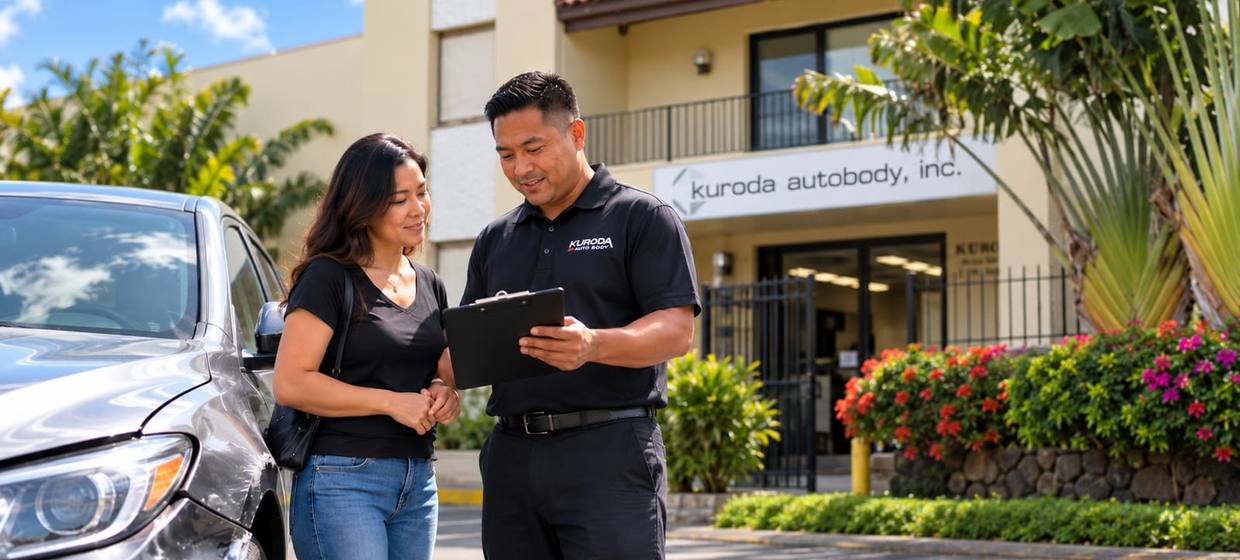
At Kuroda Autobody, our message is simple: your car, your choice. If you are deciding where to take your vehicle after an accident, our information about your right to choose a repair shop can help you understand what to expect.
An Insurance Recommendation Is Not the Same as a Requirement
After you report an accident, your insurer may suggest one or more shops. Hawaiʻi law allows insurers to operate preferred repair provider programs. For insurers that have such programs, state law requires them to offer a choice of at least two preferred repair providers when they are available.
A recommendation can be useful, but it does not mean you should choose a shop without doing your own evaluation.
Think about the decision this way:
| The insurance company handles | You choose |
|---|---|
| Claim processing and coverage decisions | Which licensed repair shop you want to use |
| Its initial damage estimate | Whether you are comfortable with the repair facility |
| Your deductible and policy limits | What questions you ask before authorizing repairs |
| Review of documented supplements | Who you trust to perform the collision repair |
Your policy still controls what the insurer pays for. Choosing your own body shop does not automatically mean every repair, part, or cost will be covered.
You Usually Do Not Need to Shop Around for Multiple Estimates
Drivers are sometimes told they need several estimates before moving forward. That is not necessarily the case.
Our collision repair process does not require you to collect multiple estimates unless your insurer specifically requires them. Once you have a claim number and have selected your repair facility, the shop and insurer can work through the estimating and approval process.
This is one reason choosing the shop early can simplify what happens next. You can tell your insurance representative where you plan to have the vehicle repaired and ask what claim steps they need you to complete.
The Hawaii Department of Commerce and Consumer Affairs also describes the claims process as working with the carrier to determine an initial repair cost and then working with a shop to complete repairs. If additional damage is discovered, the carrier can work with the customer and repair facility on a supplement to the original estimate.
What Happens if the Shop and Insurance Estimates Are Different?
Different estimates do not automatically mean something is wrong.
An initial insurance estimate may be based on damage that can be seen before the vehicle is disassembled. During the repair process, a technician may uncover additional accident-related damage that was hidden behind panels or other components.
When that happens, the repair facility documents the additional damage and submits a supplement for the insurer to review.
At Kuroda Autobody, we work with insurers on estimates, approvals, and supplements for accident damage discovered during repair, while keeping the customer informed. You do not have to manage every repair-detail conversation between the shop and the insurance company yourself.
How to Choose a Body Shop After an Accident
Having a choice is useful only if you know what to look for.
Before authorizing collision repairs, consider a few practical questions:
- 01Is the repair business properly licensed? Hawaiʻi regulates motor vehicle repair dealers, and state law sets licensing and repair-practice requirements.
- 02Does the shop have experience with the type of collision damage involved? A minor bumper repair and structural collision damage can require very different equipment and procedures.
- 03How will the shop communicate with your insurer? Ask how estimates, approvals, hidden damage, and supplements are handled.
- 04What repair information and training does the facility have access to? Modern vehicles can require vehicle-specific procedures, scanning, structural measurement, refinishing, and calibration coordination.
- 05What warranty applies to the repair? Ask what is covered and for how long rather than assuming all repair warranties are the same.
We are an I-CAR Gold Class collision repair facility with ASE-certified technicians. Our collision repair capabilities cover damage ranging from dents and exterior panels to major collision and structural repairs on most makes and models. When required as part of a collision repair, we also coordinate services such as ADAS calibration and auto glass rather than representing those services as in-house work.
What to Do After You Have Chosen Your Shop
Once you know where you want the vehicle repaired, the next steps are relatively straightforward.
- 01Report the accident to the appropriate insurance company. The insurer issues the claim number.
- 02Tell the insurer which repair shop you have selected.
- 03Schedule an estimate with the shop. The vehicle can be inspected and the visible damage assessed.
- 04Let the shop and insurer coordinate the repair estimate and approvals.
- 05Be prepared for possible supplements. Collision damage is not always fully visible during the first inspection.
- 06Confirm your deductible and rental coverage with your insurer. Rental coverage depends on the individual policy and should not be assumed.
Repair timing also varies depending on the damage, required procedures, parts, approvals, and what is discovered during the repair. A responsible shop should keep you informed rather than promise a fixed completion time before the full repair requirements are known.
YOUR CAR. YOUR CHOICE.
An accident may leave you with a lot of decisions you did not expect to make. Choosing who repairs your vehicle is one decision you can make for yourself.
The insurer still has an important role in evaluating coverage and handling the claim. Your body shop has an equally important role in understanding the damage and carrying out the authorized repair. Those roles can work together without taking the repair-shop decision away from you.
If you are considering Kuroda Autobody, review our collision repair and insurance FAQs or contact us to schedule an estimate. We serve customers across Oʻahu from our shop in Waipahu.